Alquería de la Serra
.
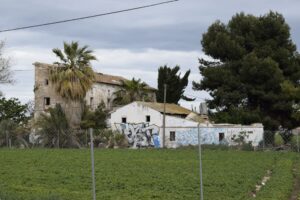
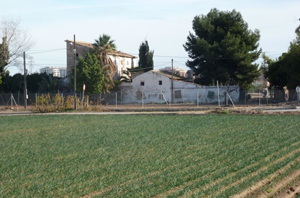
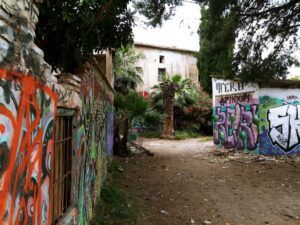
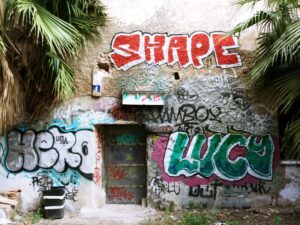
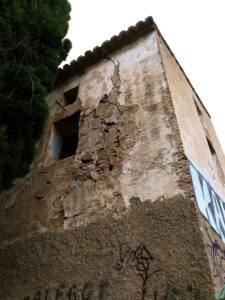
The Serra farmstead is situated on Senda de la Carrasca, next to Benimaclet Cemetery and alongside the old, now-defunct Churra road. Today it lies between the Ronda Norte and the Autopista del Mediterráneo, standing majestically and surrounded by the orchards that have survived the onslaught of urban development which made its way precisely via the Ronda Norte, splitting the farmland in two and replacing it with tarmac. It was first documented in 1694, when the Jesuit Francisco Antonio Cassaus drew up a map of the Particular Contribución de Valencia, the territory surrounding the city over which it exercised supreme jurisdiction. This map was published a year later by Ascensi Duart.
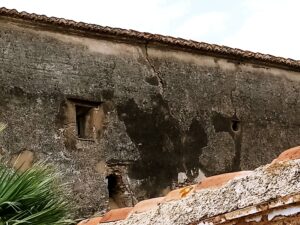
The earliest reference to this farmstead under this name is its appearance on the aforementioned map by Francisco Cassaus. However, and quite reasonably, it is a farmstead of late medieval origin, which may have had a different name previously. Judging by its architectural features, the current building dates from the 18th century.
Historical Documents
Links of interest
.
Graphical Information
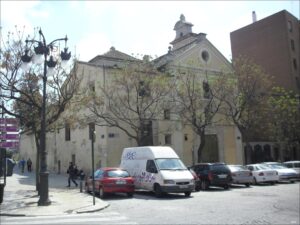
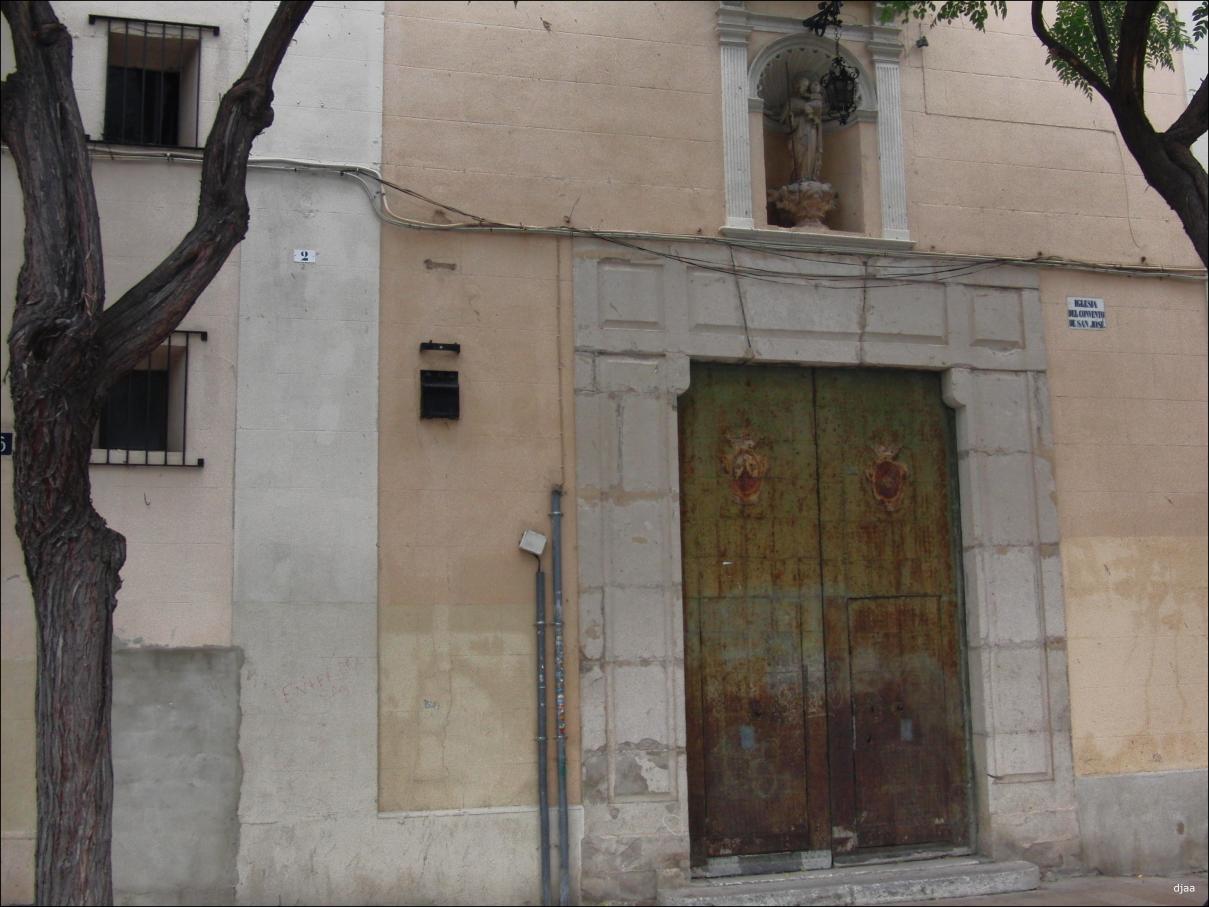
Monastery of San José and Santa Teresa
.
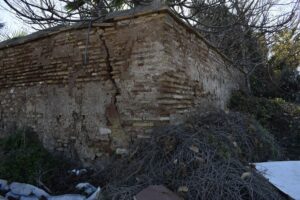
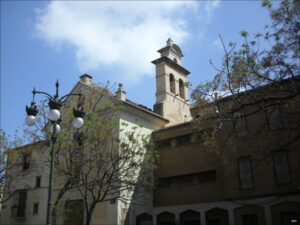
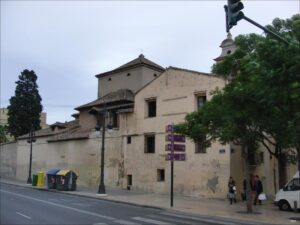
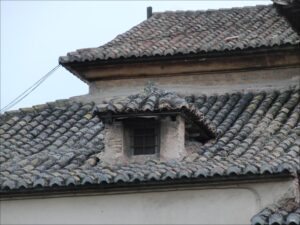
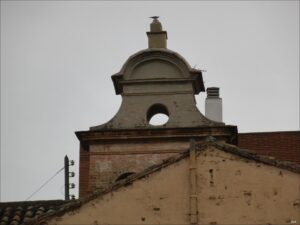
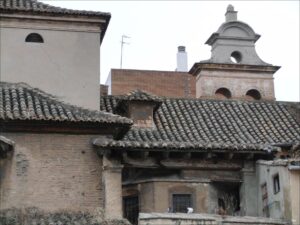
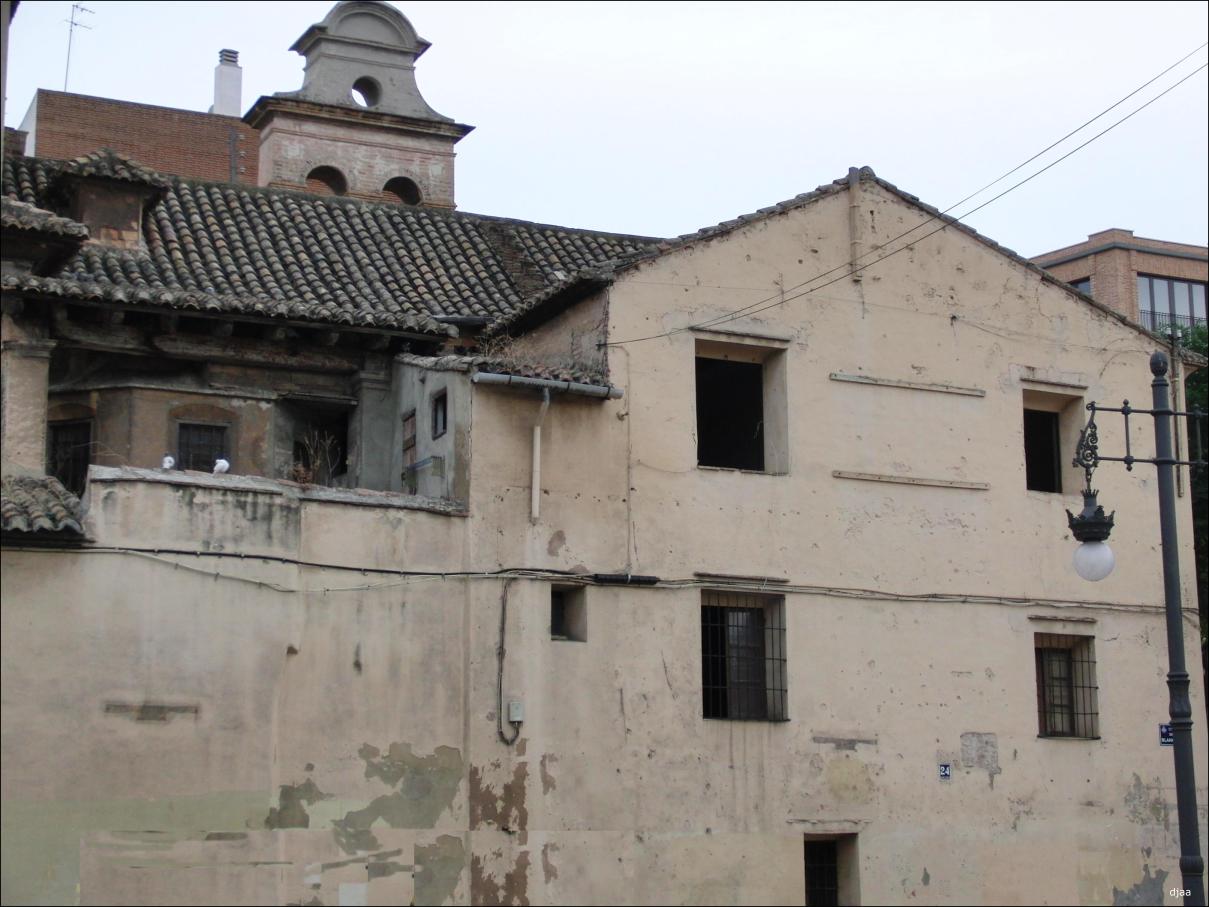
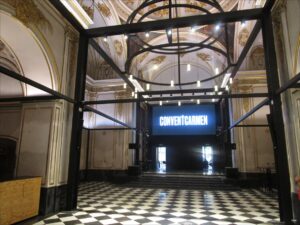
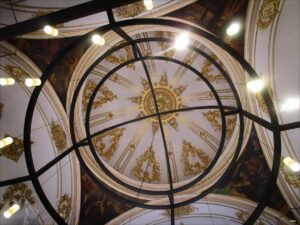
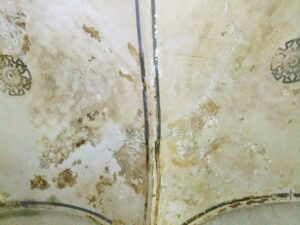
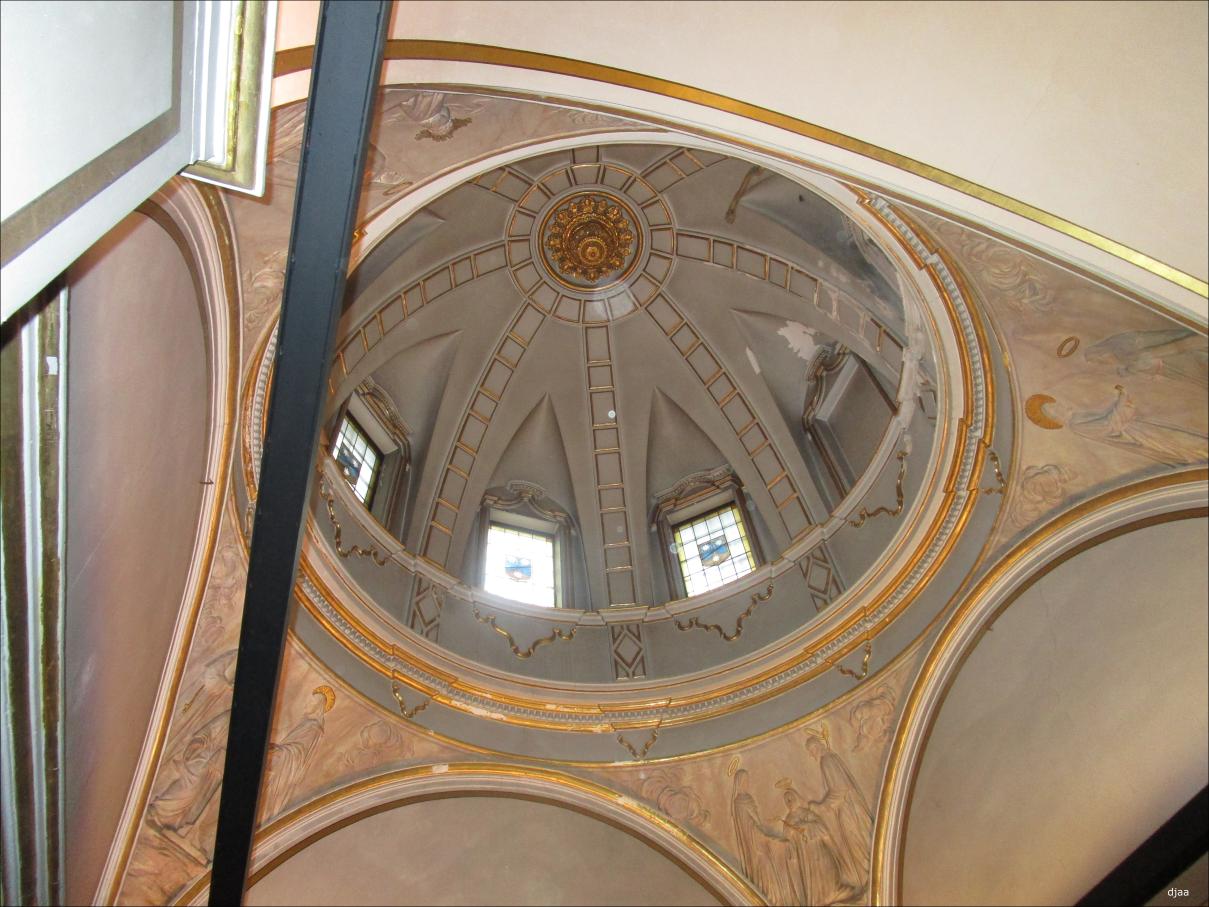
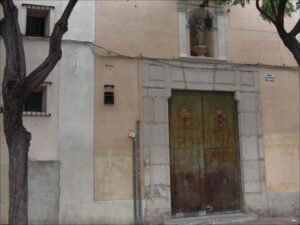
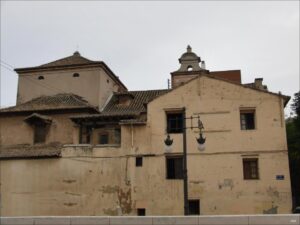
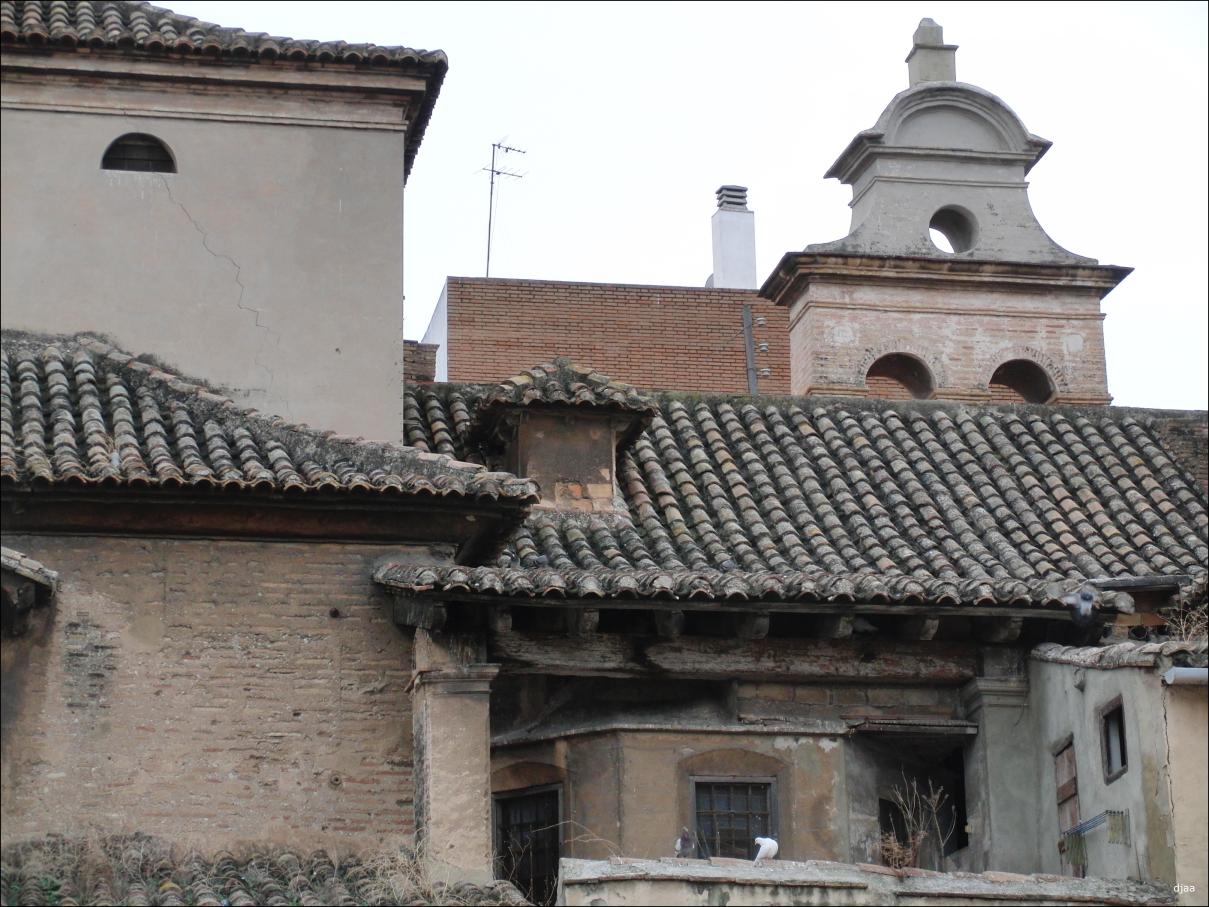
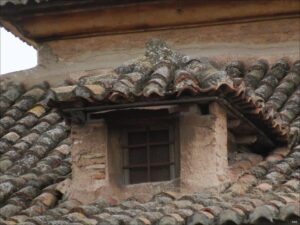
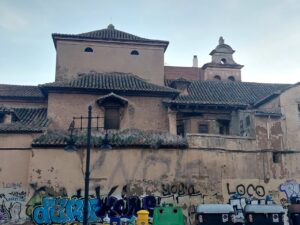
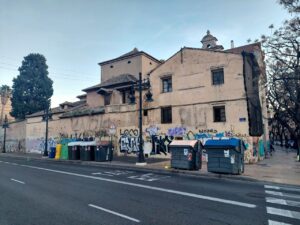
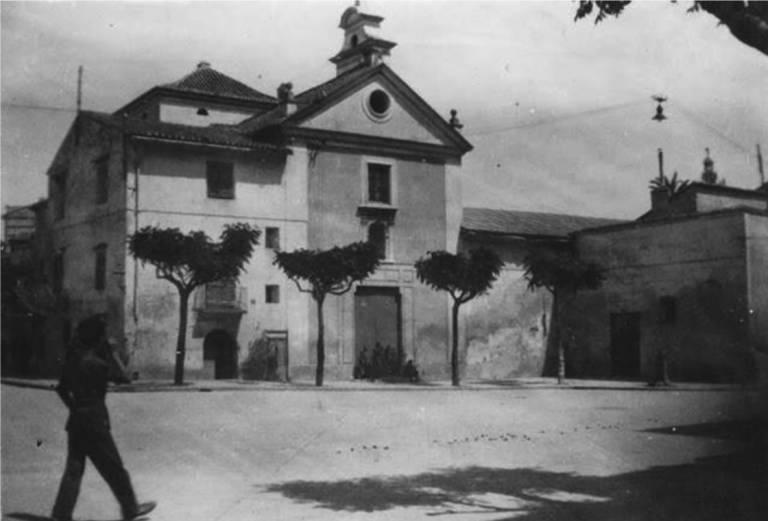
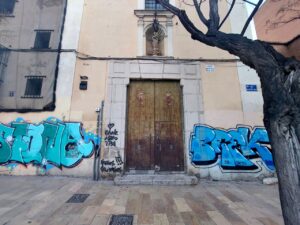
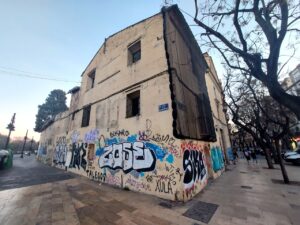
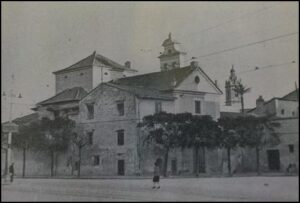
The convent of San José was founded in 1588, when Ambrosio Mariano, sent by Philip II to inspect the works on the Corpus Christi College, proposed to Patriarch Ribera the foundation of a convent for Discalced Carmelite nuns under the rule of Saint Teresa, the complex being in accordance with the guidelines established by the order following the saint’s reform and already defined at the Monastery of the Incarnation in Ávila.
The final settlement took place in 1609, and the nuns moved to the area near Plaza Portal Nou in Valencia, where the permanent monastery was built; this must have been constructed between that date and 1628, when the Blessed Sacrament was transferred from the old church to the new one.
Historical Documents
BRL Monasterio san José y santa Teresa LINK
Links of interest
Commercial Dock Building at the Port
.
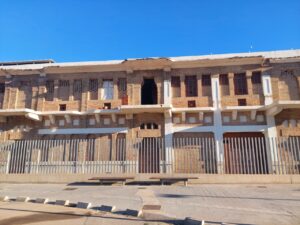
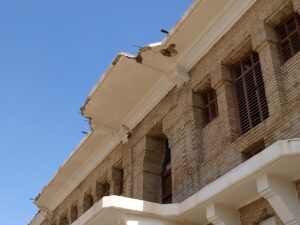
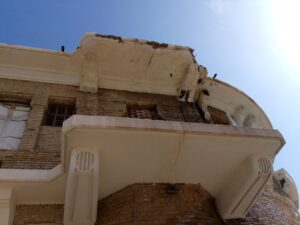
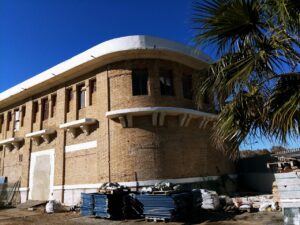
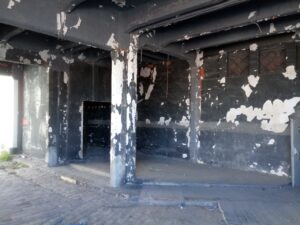
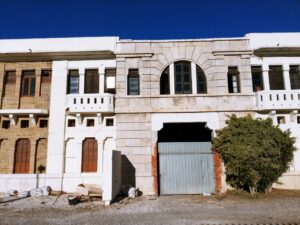
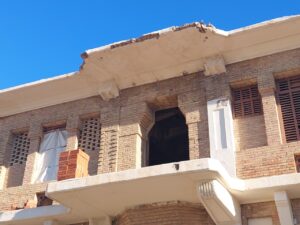
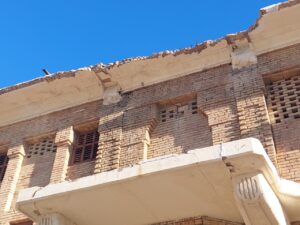
The commercial warehouses, known as the Docks Comerciales, are a prime example of the industrial heritage linked to the port activities of the Port of Valencia, as they served as the hub for the arrival and departure of goods. It is one of the most important projects by the architect Víctor Gosálvez Gómez (1888–1965). The construction work was carried out by Sociedad Coloma y Ribes, a building firm founded by the architect Demetrio Ribes and the industrial engineer Joaquín Coloma, who were specialists and pioneers in the use of reinforced concrete in civil buildings in Valencia.
Construction of the Commercial Docks began in 1917; the original plan was for five storeys, of which only two were ultimately built, and these are the ones that can be seen today. Following various unforeseen events, strikes in the construction industry and the resulting modifications, re-planning and alterations, they were inaugurated on 1 January 1920.
Historical Documents
1918_Copy of the application for a perpetual licence and for the extension of licences already granted LINK
1919_Request to approve the amendment sought in accordance with the terms set out in the body of this application LINK
1920_Application by "Sociedad Docks Comerciales de Valencia " requesting the initiation of procedures for the exchange and transfer of certain concessions LINK
Graphical Information
Links of interest
X EAAE Conservation Network Workshop Template
.
Group participants can download the PowerPoint (.ppt) template to be used for the preparation of the final group presentation:
X EAAE Conservation Network Workshop Template LINK
.
X EAAE Conservation Network Workshop - Study Visit Map
.
Group participants can download the map prepared to facilitate the study visit planned for the workshop:
X EAAE Conservation Network Workshop - Study Visit Map LINK